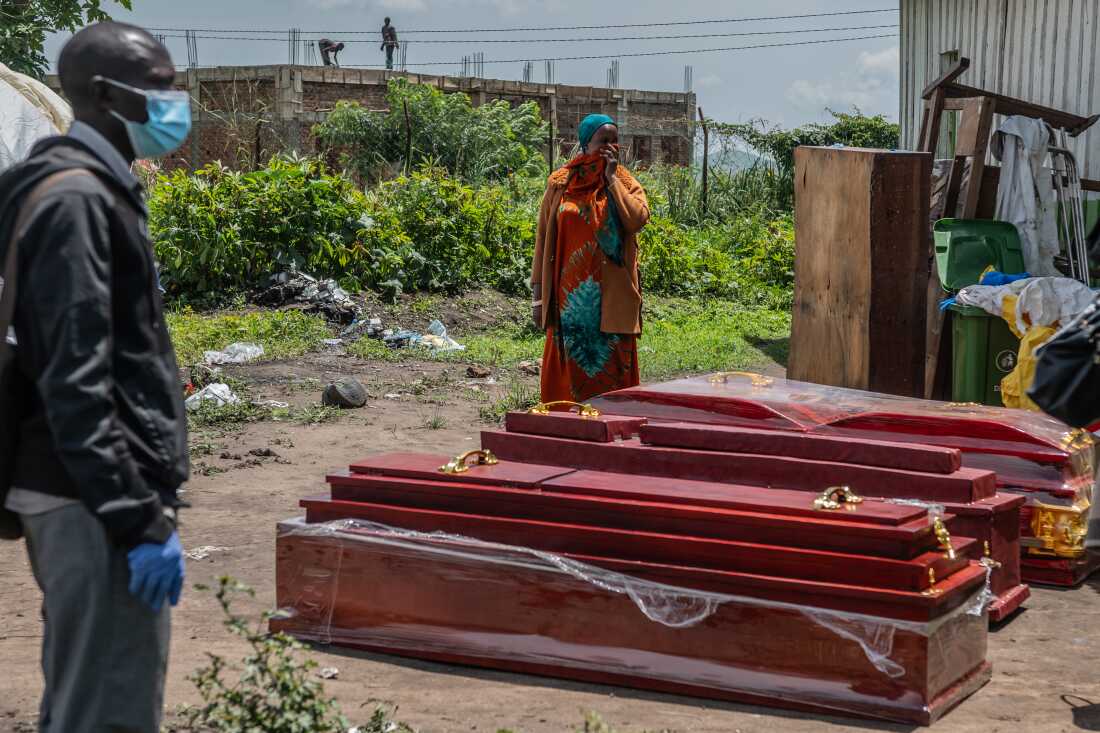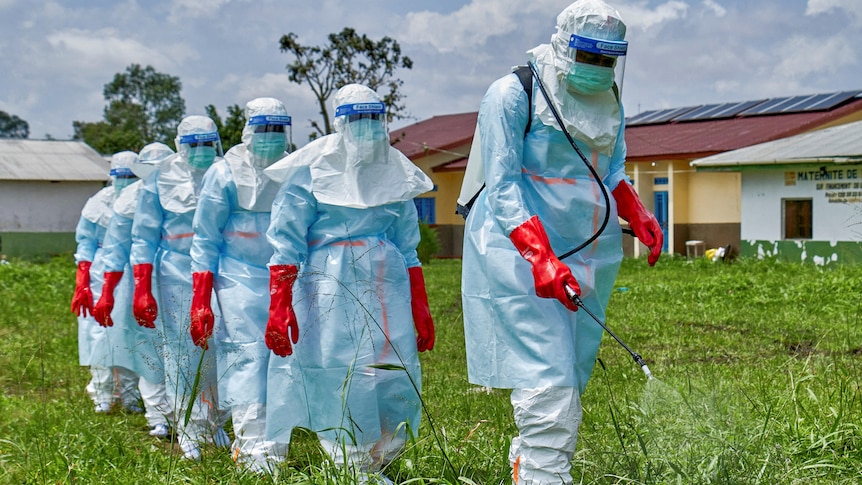
The Ebola outbreak spreading through eastern Democratic Republic of Congo is rapidly evolving into a multidimensional crisis driven by conflict, institutional collapse, public mistrust, and inadequate international response capacity.
The World Health Organization has now classified the national risk level in the DRC as “very high,” warning that the Bundibugyo strain currently circulating has no approved vaccine or specific treatment.
Latest figures indicate that the outbreak is escalating at alarming speed. WHO and international health agencies report between 575 and 750 suspected cases, with deaths ranging from 148 to 177 depending on the latest field verification updates.
Confirmed infections have also spread beyond the original epicenter in Ituri Province into North Kivu, South Kivu, Uganda, and rebel-held territories.
Some researchers and epidemiologists believe the true number of infections may already exceed 1,400 cases because surveillance systems remain weak and large areas remain inaccessible due to insecurity.
The outbreak is unfolding in one of the most fragile regions on the African continent.
Eastern Congo has endured decades of armed conflict, mass displacement, economic collapse, and chronic underinvestment in public services.
According to WHO emergency projections, at least 7.5 million people in the DRC are expected to require urgent health assistance in 2026, particularly in the conflict-ridden eastern provinces where recurrent outbreaks of Ebola, cholera, mpox, and measles continue to overwhelm already broken healthcare systems.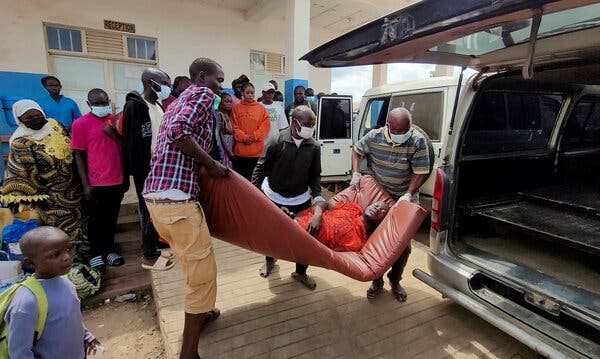
What makes the situation particularly dangerous is the visible absence of emergency protections equivalent to the scale of the threat.
Reports from affected communities show overcrowded hospitals, shortages of protective equipment, weak screening systems, and continued population movement across porous regional borders.
Health workers themselves have reportedly become infected, signaling failures in infection prevention within medical facilities.
The crisis has also exposed deep social distrust toward both the state and international health interventions.
In one of the clearest signs of collapsing public confidence, angry residents stormed and burned Ebola treatment facilities in Ituri after authorities refused to release the body of a suspected Ebola victim for traditional burial rites.
Protesters torched treatment tents, clashed with police, and reportedly attempted to retrieve infected remains.
These scenes mirror patterns witnessed during earlier Ebola outbreaks in eastern Congo, where communities frequently viewed health responses through the lens of political neglect, military violence, and foreign interference.
The destruction of treatment centers now threatens to accelerate transmission while simultaneously discouraging health workers already operating under extreme pressure.
Financially, the outbreak is colliding with a weakened international response architecture.
WHO has so far released approximately $3.9 million in emergency support and rapidly delivered over 11.5 tonnes of medical supplies into the affected zones.
The United States has pledged between $13 million and $23 million in emergency assistance depending on the program channel involved.
However, global health analysts say staffing reductions, funding cuts, and institutional restructuring have severely reduced operational readiness compared to previous Ebola emergencies.
Analyses from global health organizations indicate that recent U.S. global health funding commitments for the DRC and Uganda represent a 27 percent reduction compared to previous five-year support levels.
Reports from health policy experts and humanitarian officials also indicate that cuts to foreign aid programs and reductions in CDC infectious disease staffing have weakened surveillance, logistics, laboratory coordination, and emergency deployment capacity.
The outbreak is additionally complicated by geography and regional mobility. The epidemic zone sits near strategic trading and mining corridors connecting Congo, Uganda, Rwanda, and South Sudan.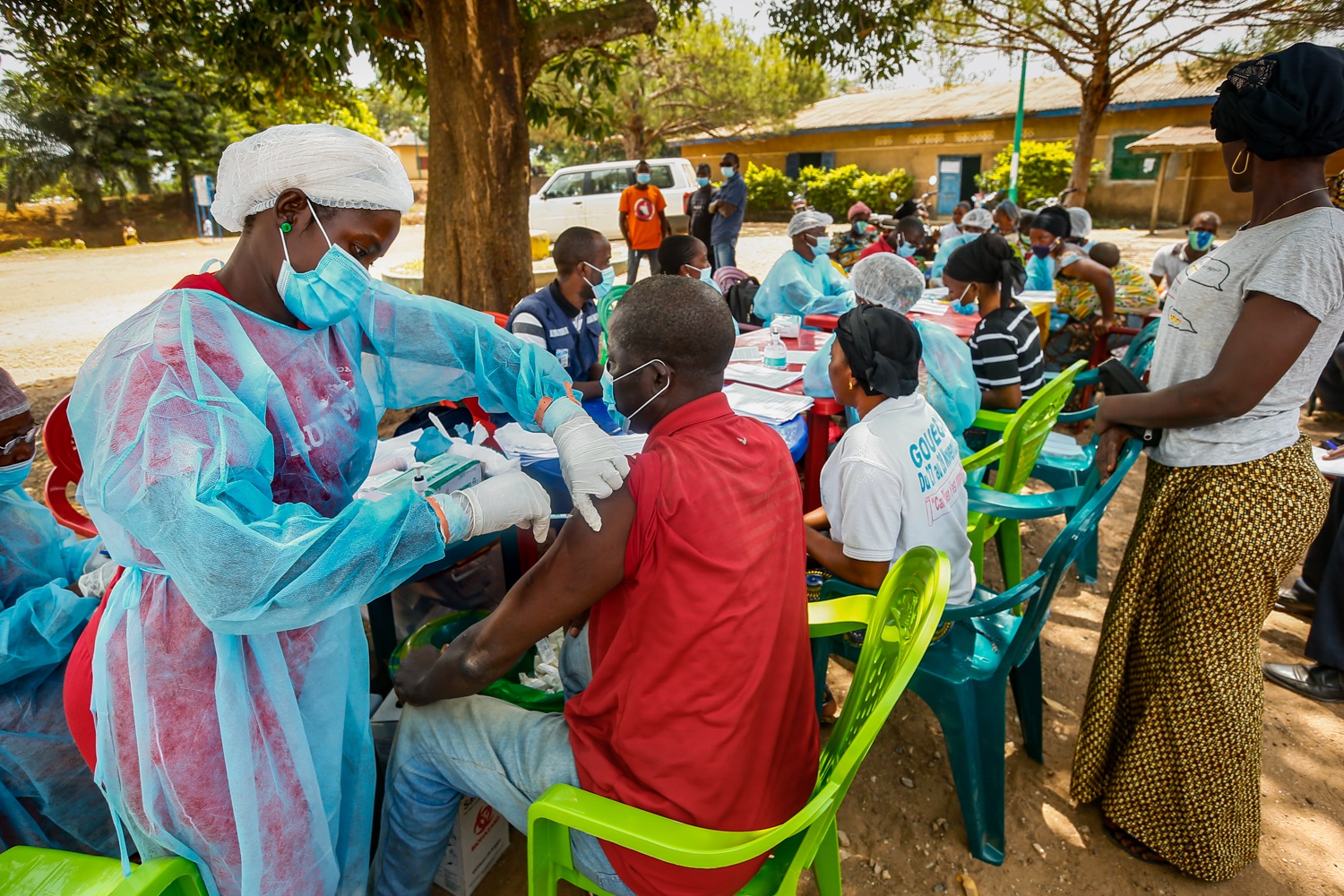
Authorities have already imposed movement restrictions and border screening measures, fearing wider regional spread.
Yet perhaps the most controversial aspect of the crisis remains the political and security environment surrounding affected populations.
Critics argue that while civilians face Ebola, hunger, displacement, and collapsing medical infrastructure, the government of Félix Tshisekedi has continued military operations in eastern Congo that have reportedly involved bombardments and attacks affecting civilian-populated areas.
Observers say the contradiction has become increasingly difficult to ignore: communities struggling against one of the world’s deadliest viral diseases are simultaneously caught between armed conflict, forced displacement, and deteriorating humanitarian conditions.
The outbreak has already triggered global concern. WHO has declared the situation a Public Health Emergency of International Concern, while international agencies warn that delayed containment could destabilize the wider Great Lakes region.
Although experts maintain that the global risk remains relatively low compared to airborne pandemics, they warn that Ebola spreads rapidly when health systems collapse and public trust disappears.
In eastern Congo today, both conditions are increasingly visible.